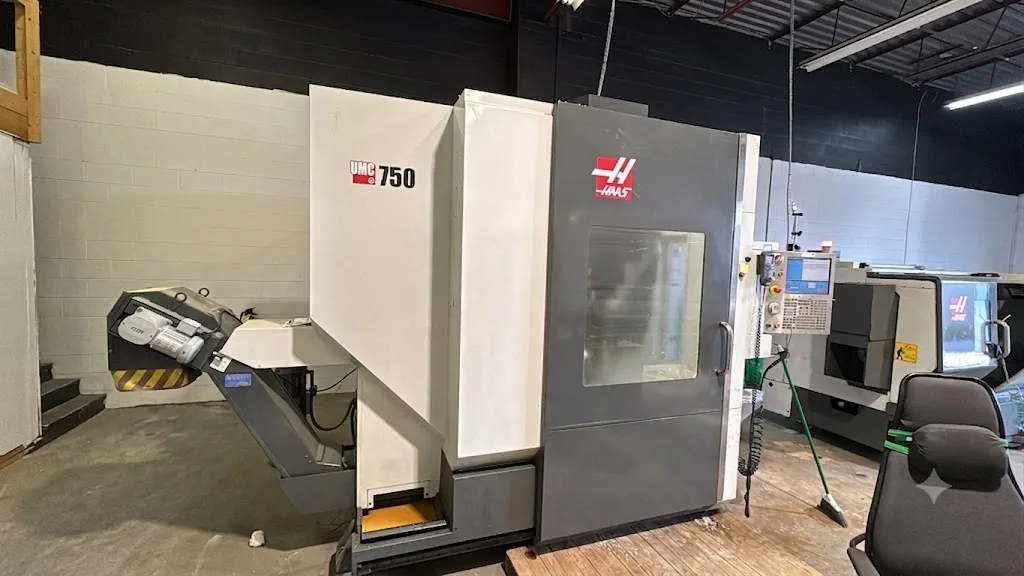
Five axes.
One setup.
Complex parts machined from every angle — without re-fixturing between operations.
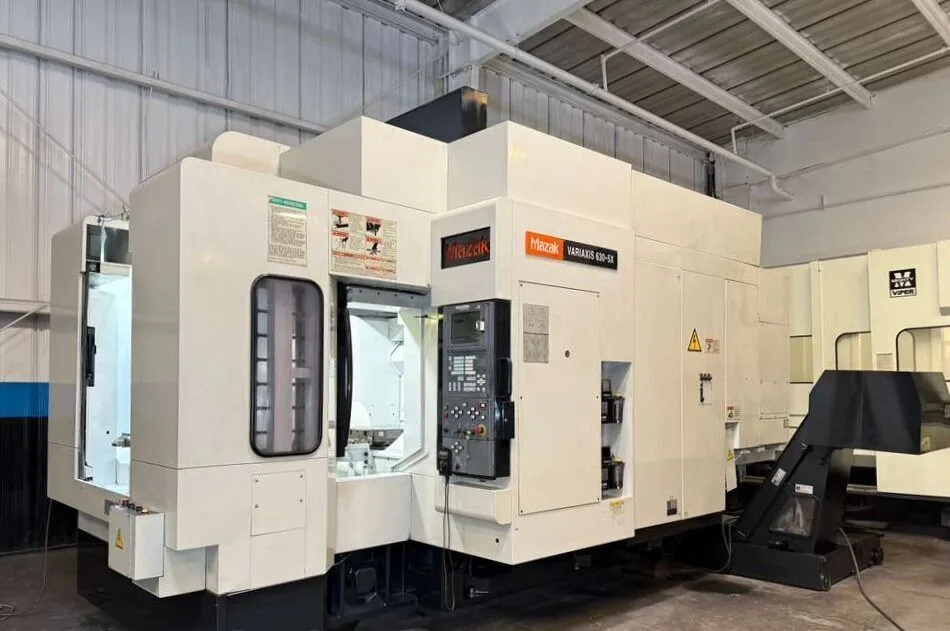
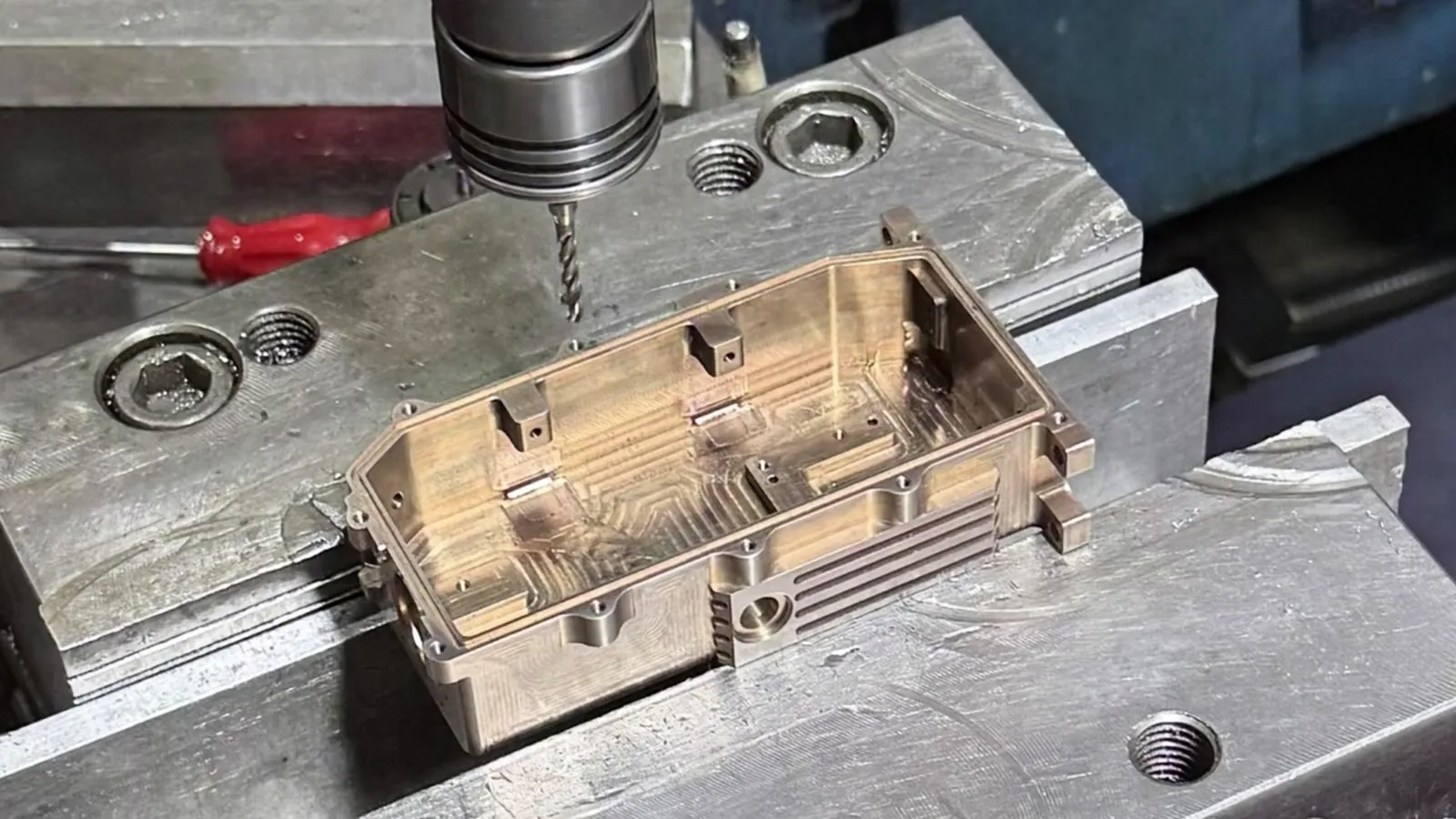
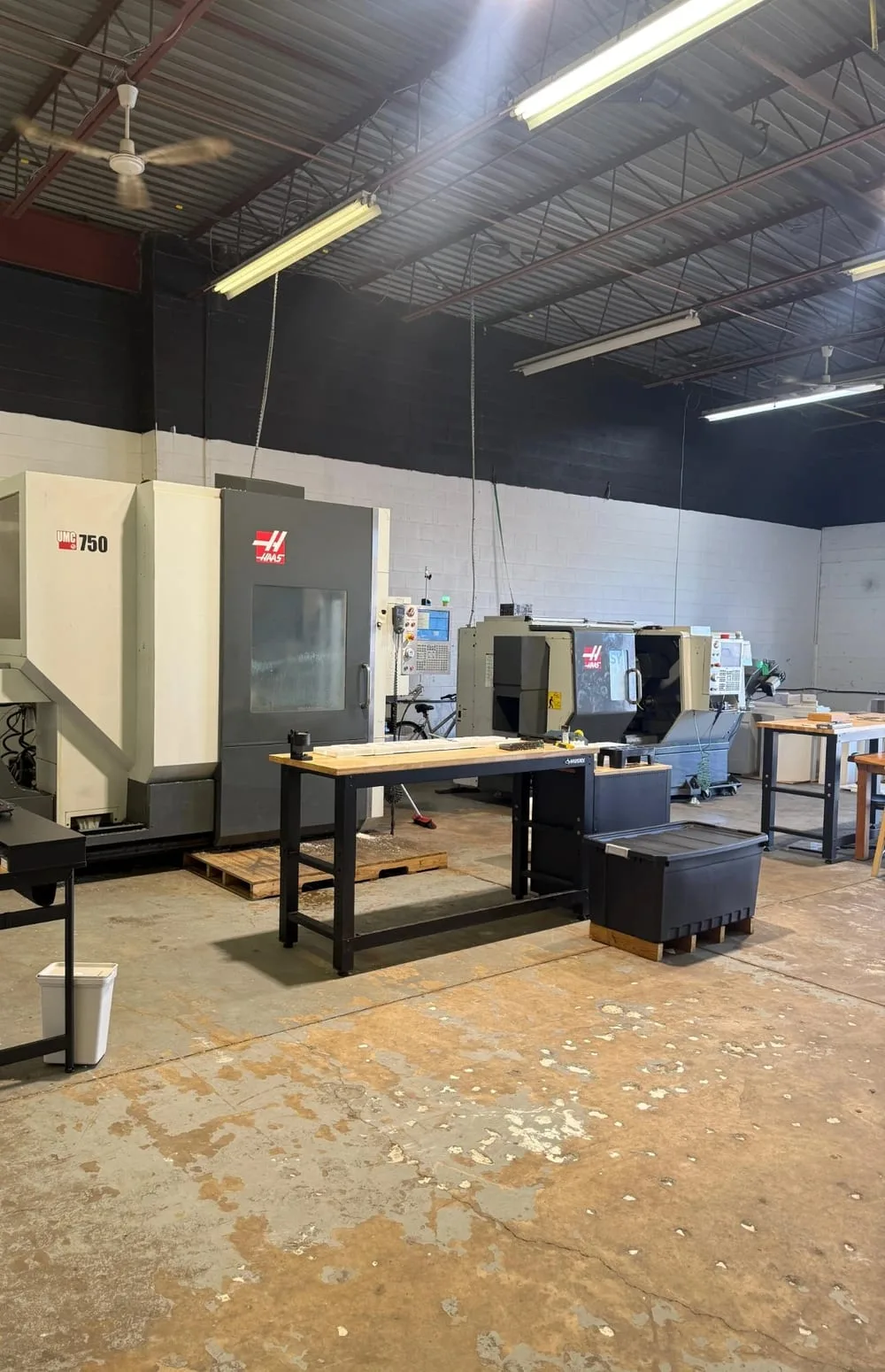
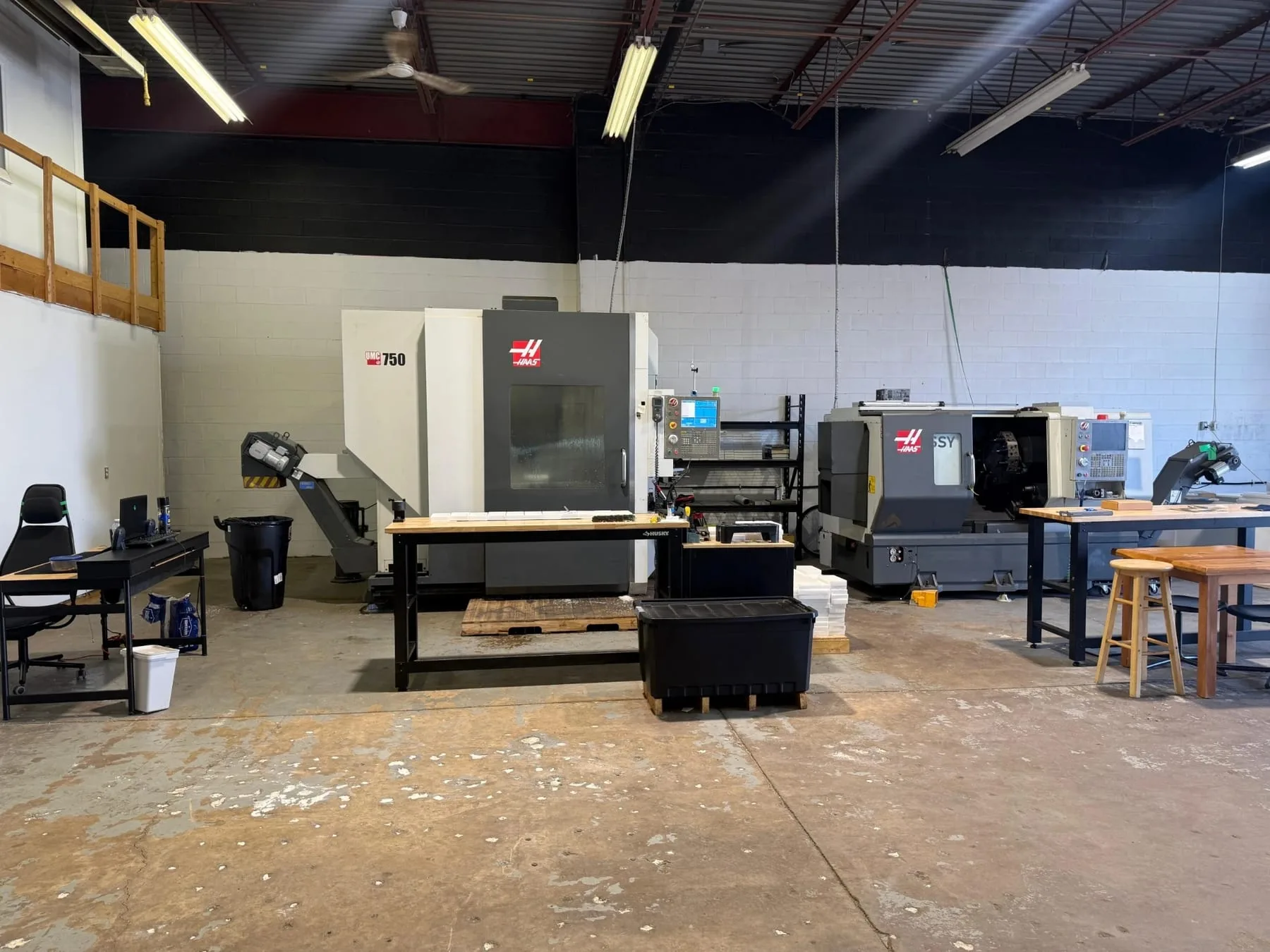
Simultaneous 5-axis machining lets the cutter reach five sides of a part in a single clamping. Fewer setups means features stay true to each other, cycle times drop and complex geometry — undercuts, compound angles, sculpted surfaces — becomes practical to machine.
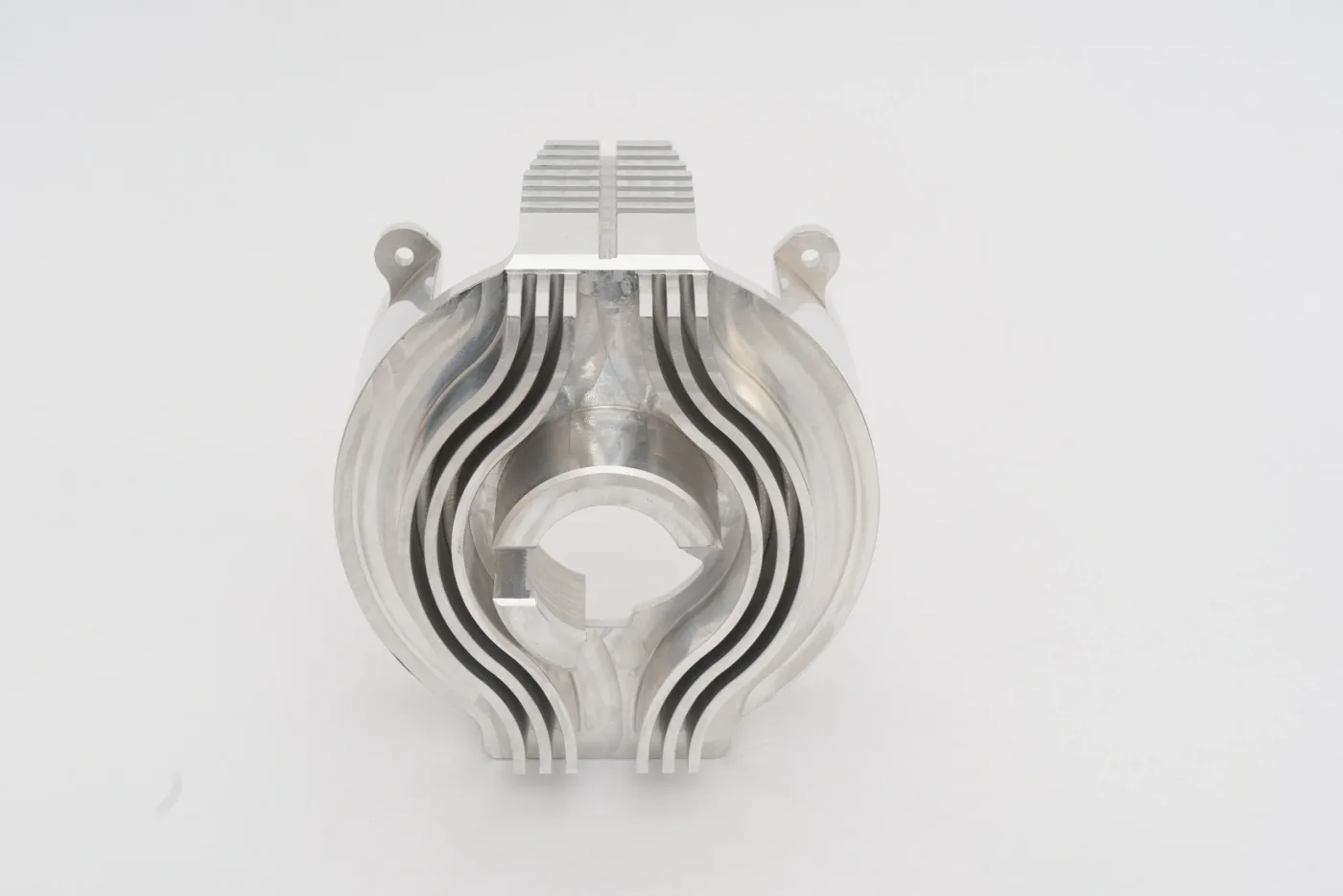
Tighter feature-to-feature accuracy.
Every re-clamp adds error. Machining all faces in one setup keeps bores, pockets and datums aligned the way your drawing intended.
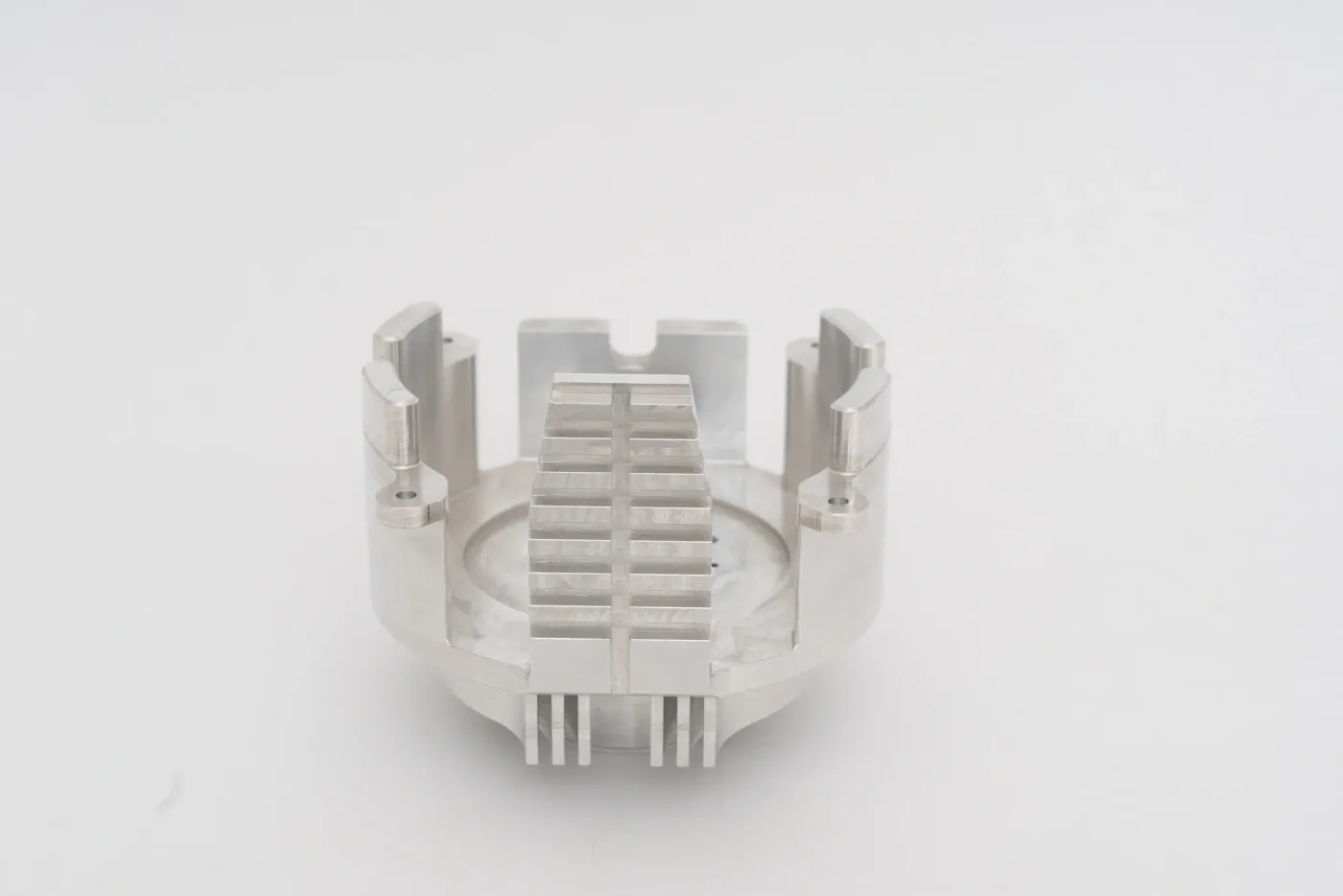
Geometry 3-axis can’t reach.
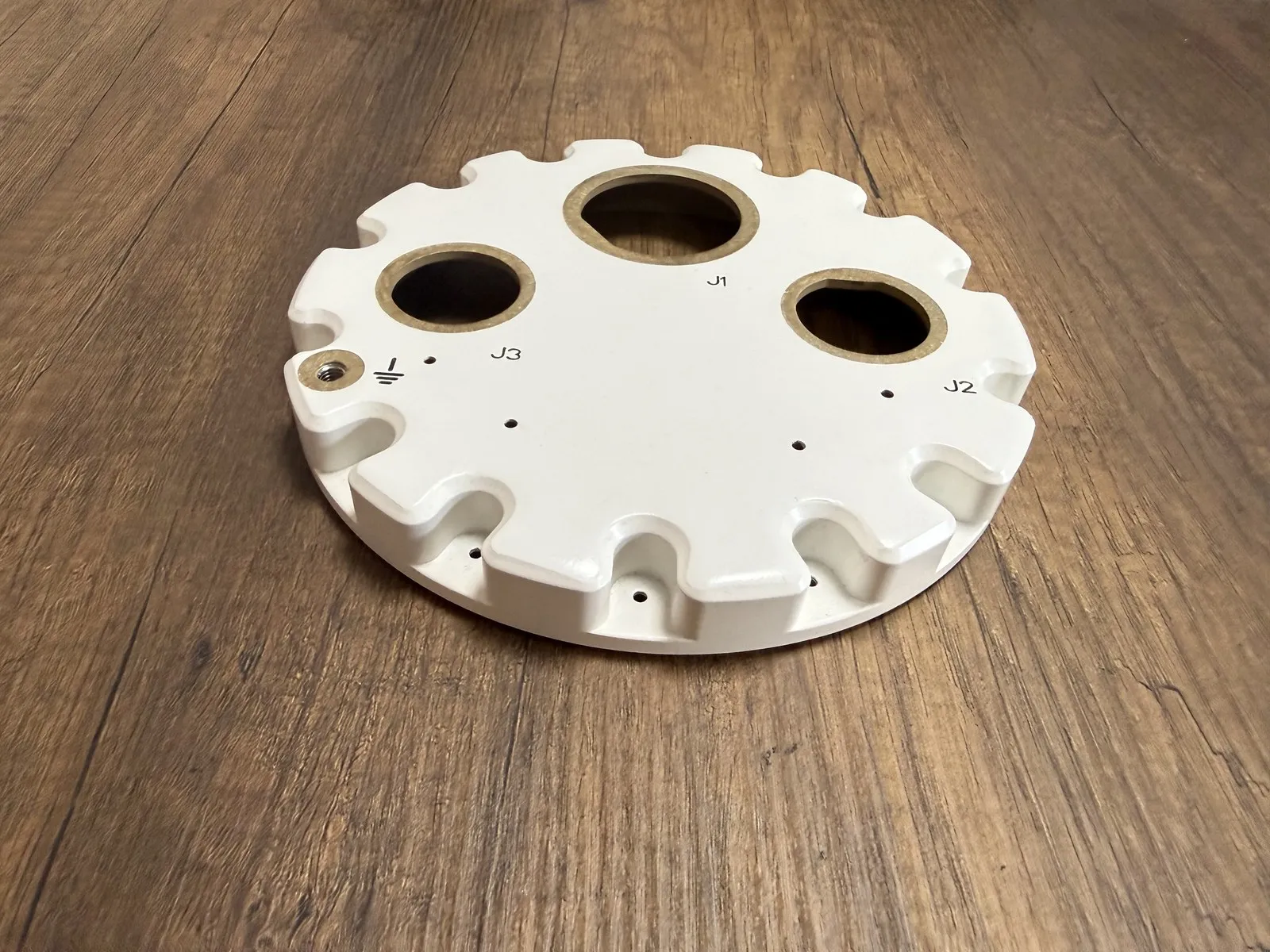
Undercuts, angled holes, side windows and contoured surfaces are cut with a short, rigid tool tilted to the right angle — better finish, less chatter.
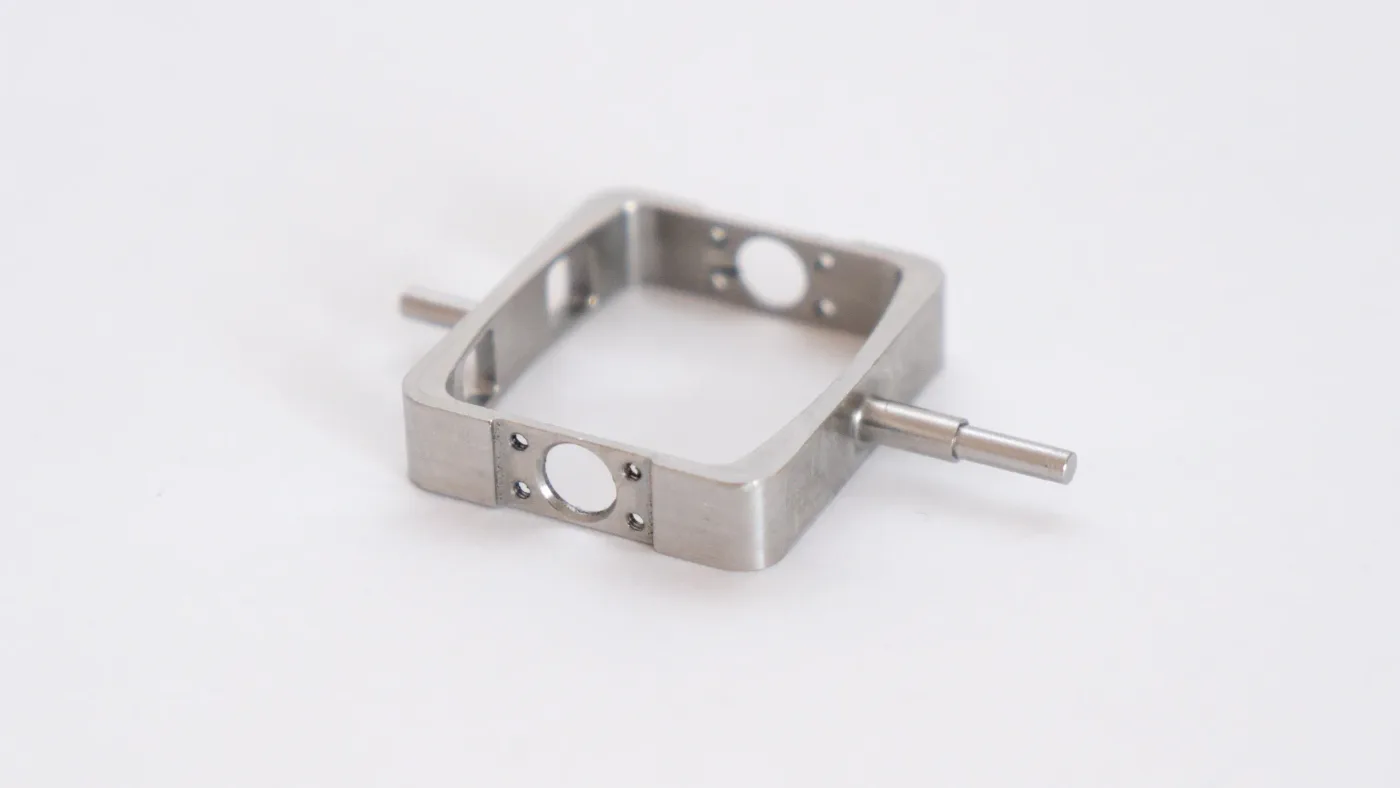
Prototype to production.
The same program that makes your first article runs your production batch, so part number 500 matches part number one.
- Housings & enclosures
- Brackets & mounts
- Manifolds
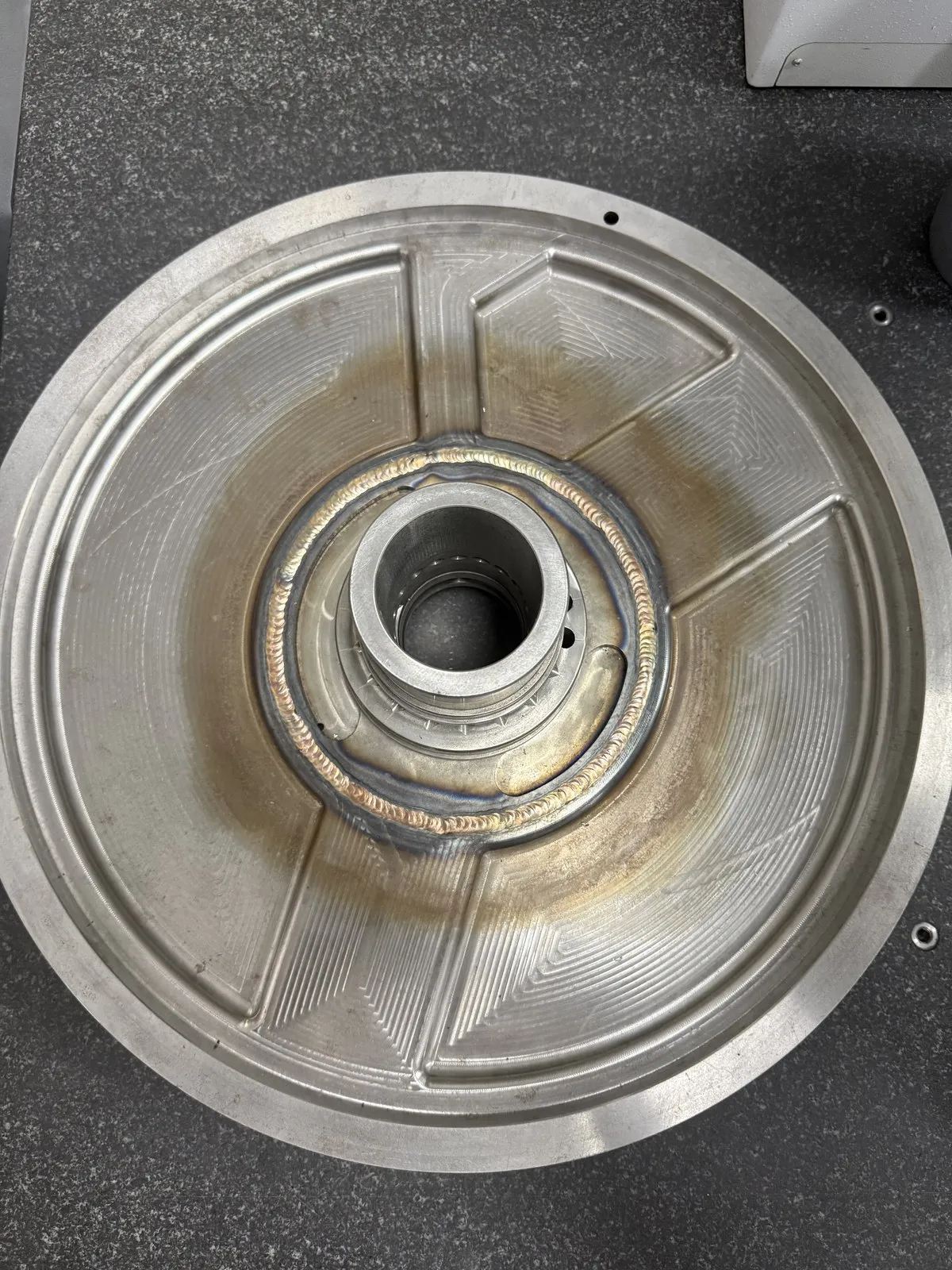
- Impellers & sculpted surfaces
- Fixtures & tooling
- Aerospace & robotics components
- Aluminum 6061 / 7075
- Stainless 303 / 304 / 316 / 17-4
- Titanium Grade 5
- Alloy steel 4140
- Brass
- PEEK & Delrin
5-axis milling questions.
When do I need 5-axis instead of 3-axis?
When a part has features on several faces, angled holes, undercuts or 3D surfaces. If your part would need three or more setups on a 3-axis machine, 5-axis is usually faster and more accurate.
Is 5-axis machining more expensive?
Hourly rates are higher, but fewer setups and fixtures often make the total part cost lower — especially for complex parts and small batches.
What size parts can you machine?
Send us the drawing and we’ll confirm fit, approach and lead time in the quote.
Have a drawing?
Send it over — we’ll reply with a price and lead time, usually within one business day.
Request a quote →