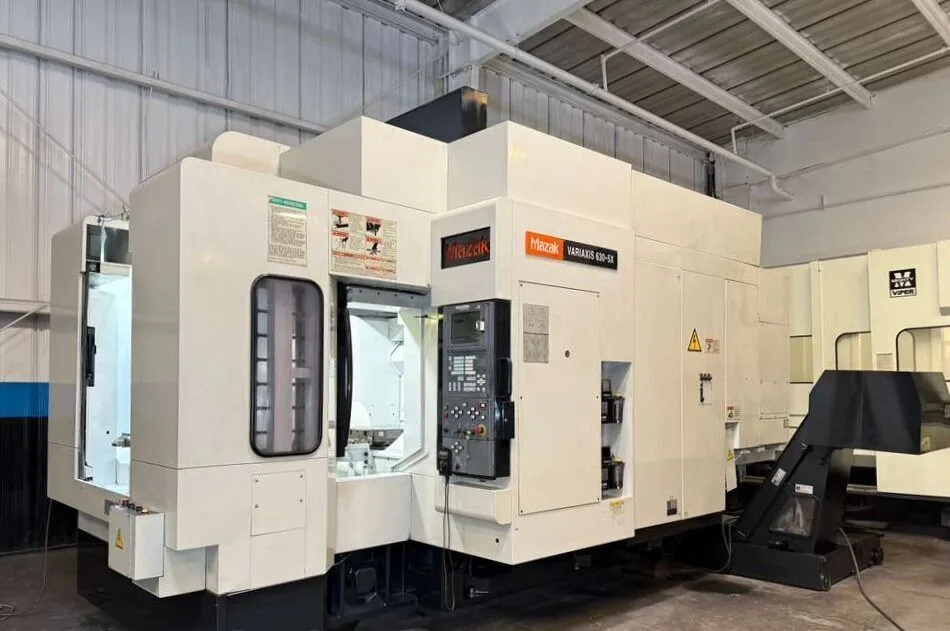
Pockets, slots,
perfect faces.
Brackets, housings, plates and custom fixtures — cut in as few setups as possible.
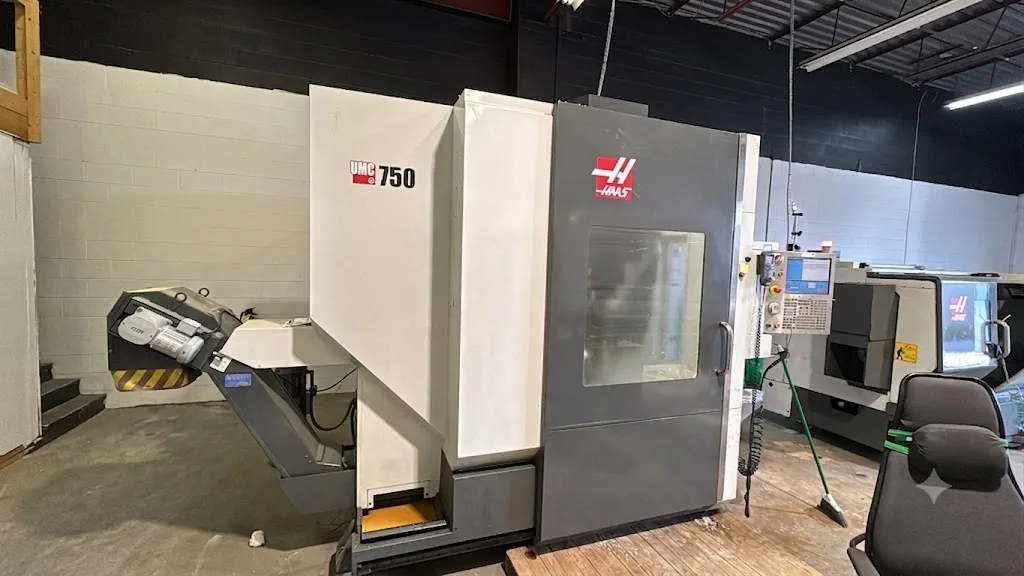
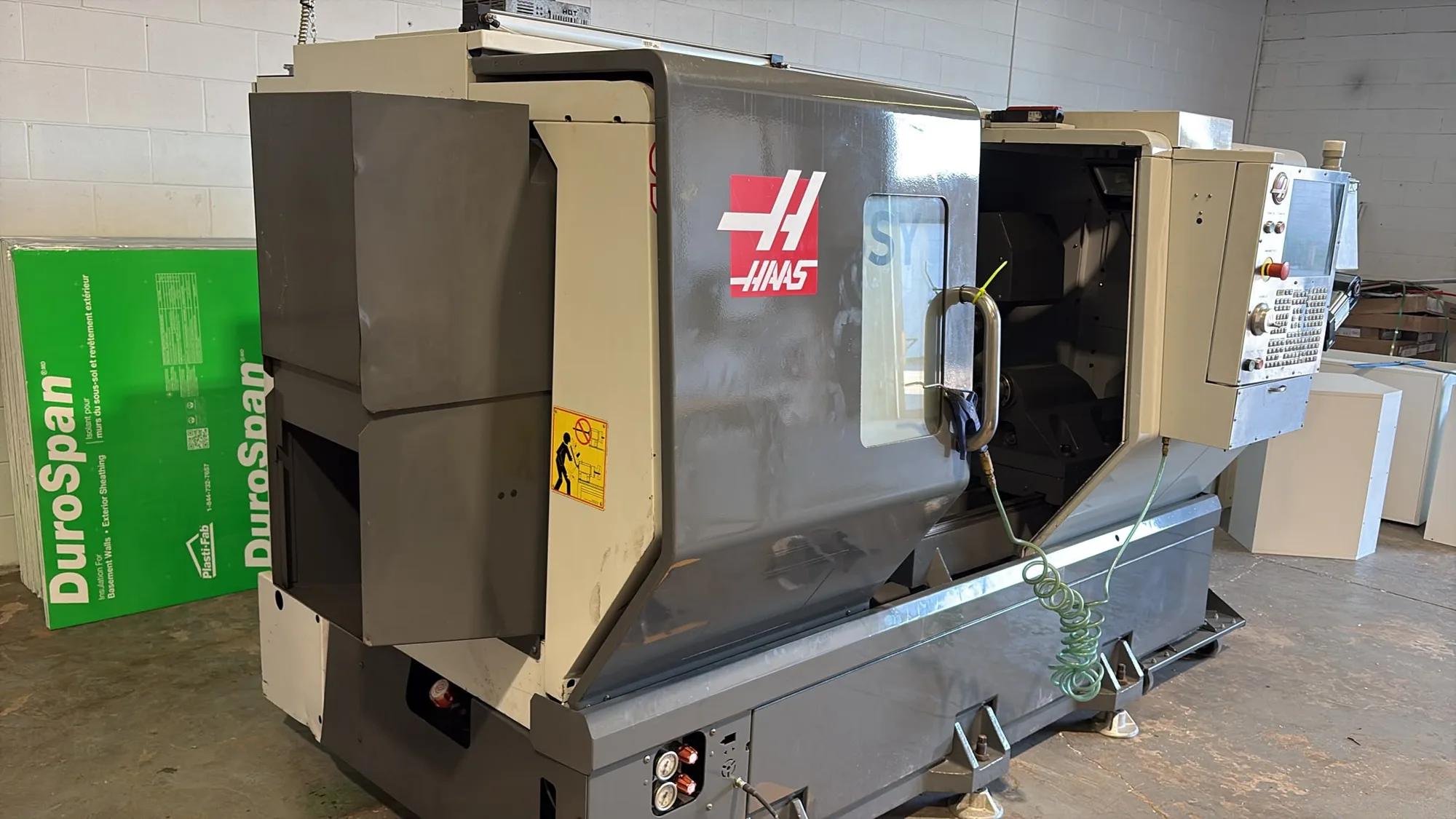
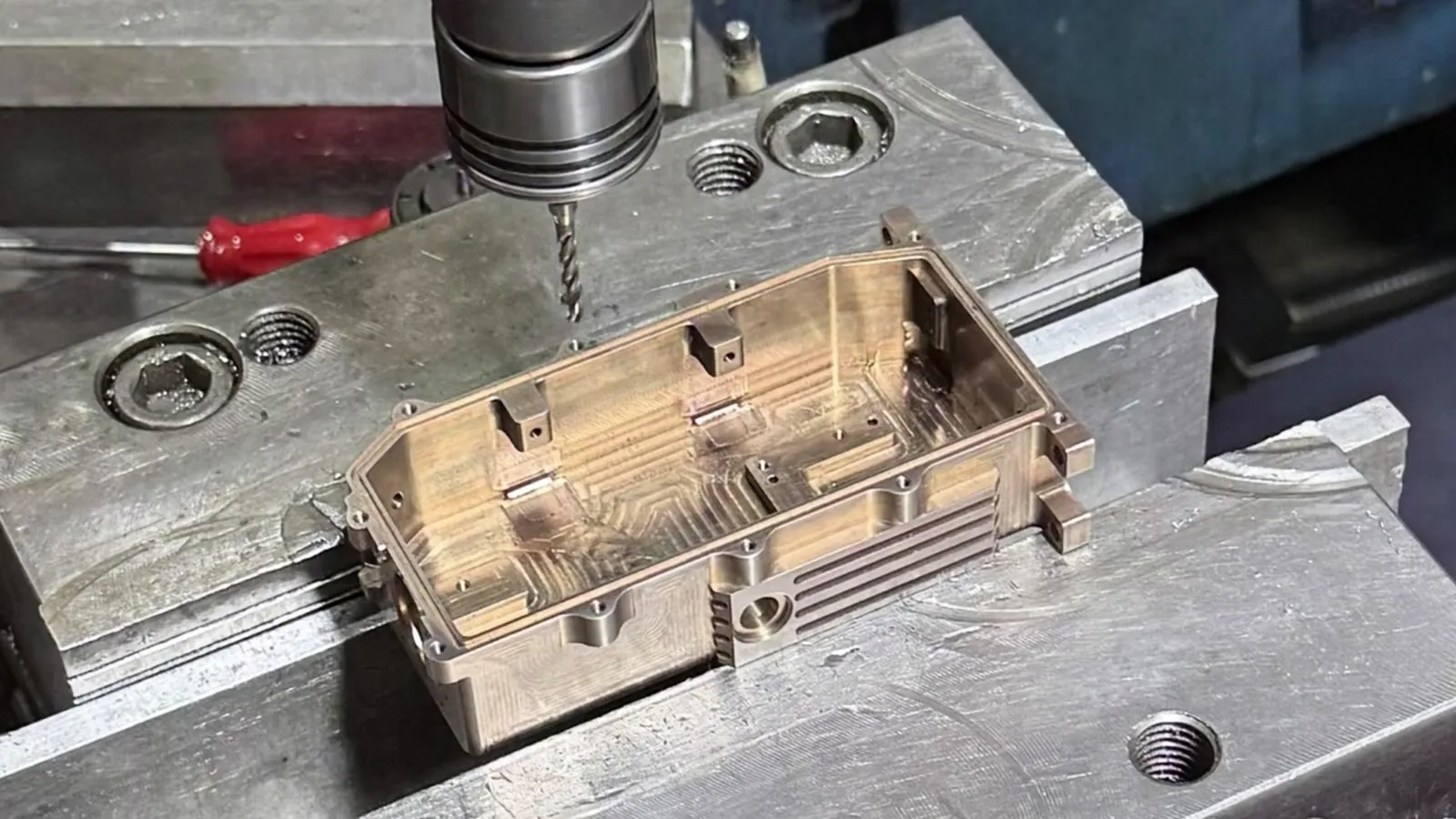
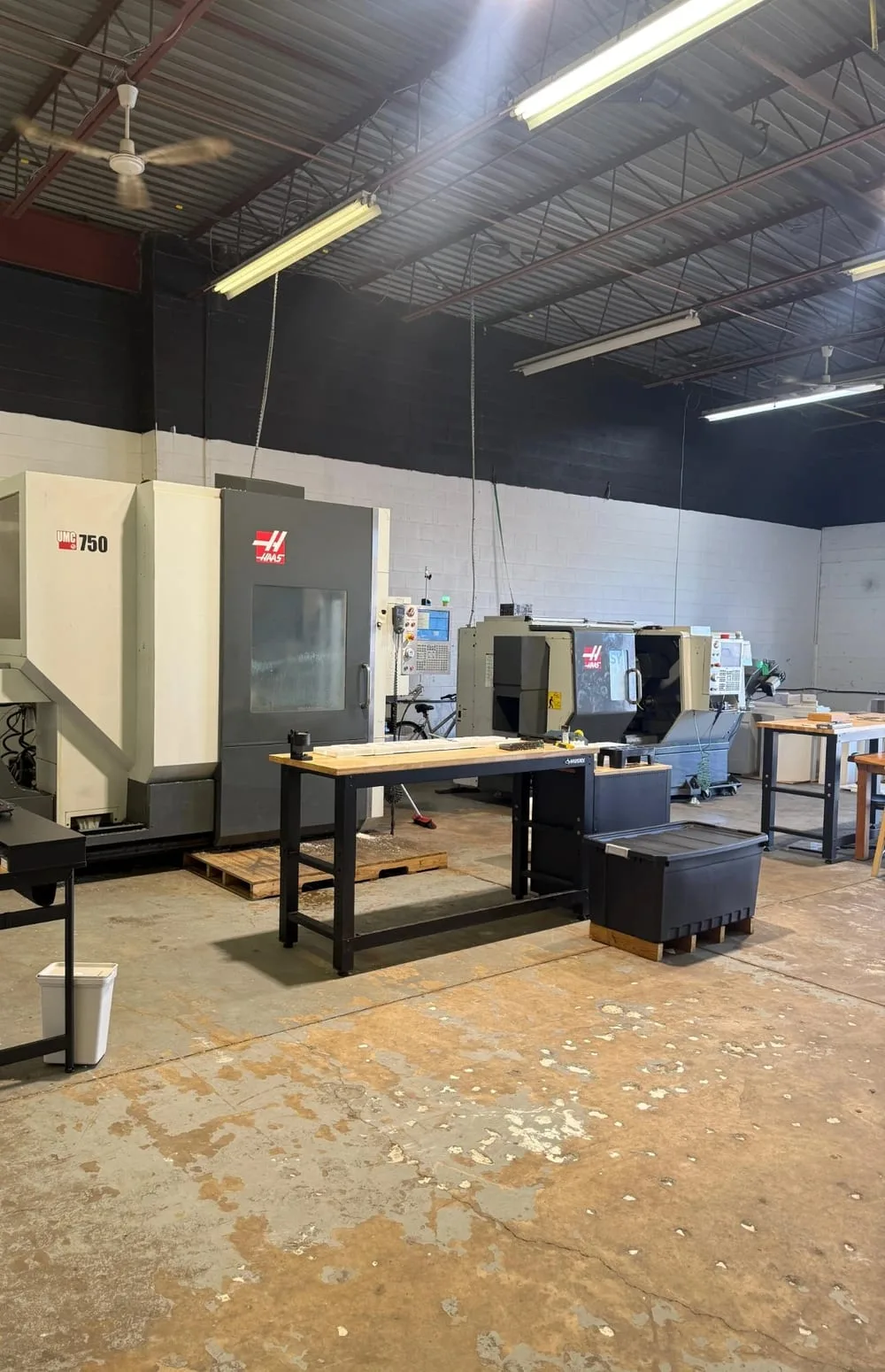
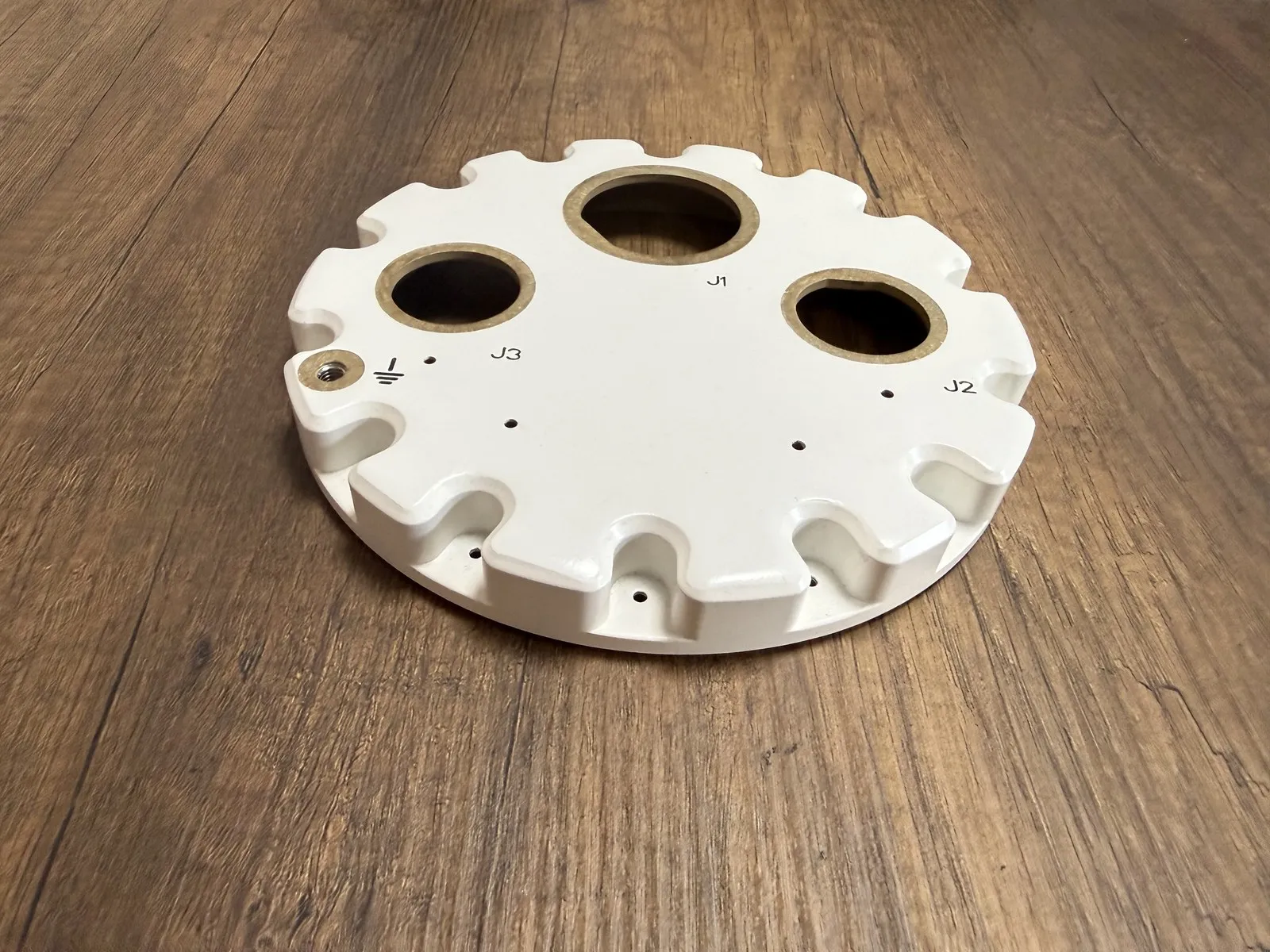
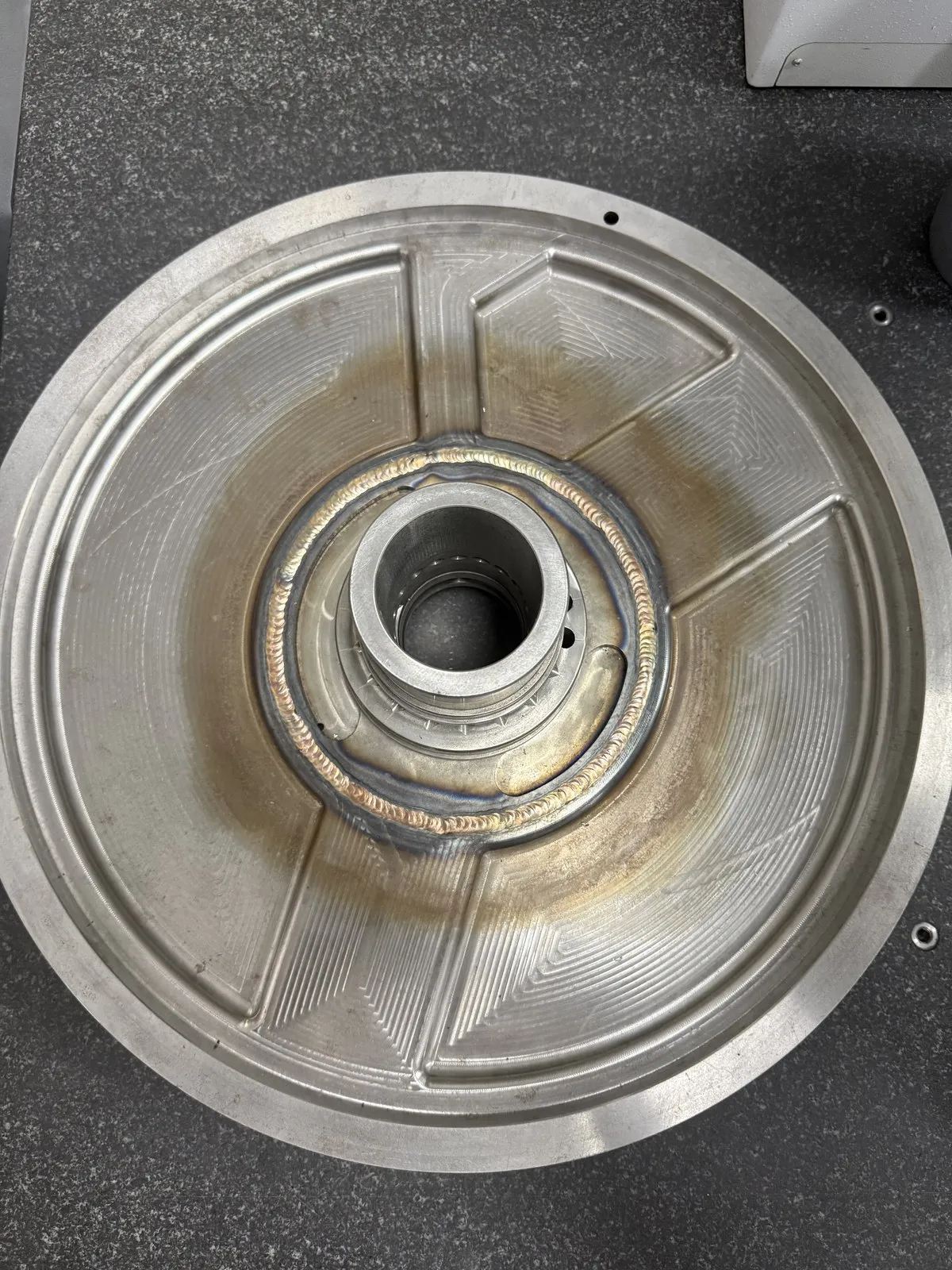
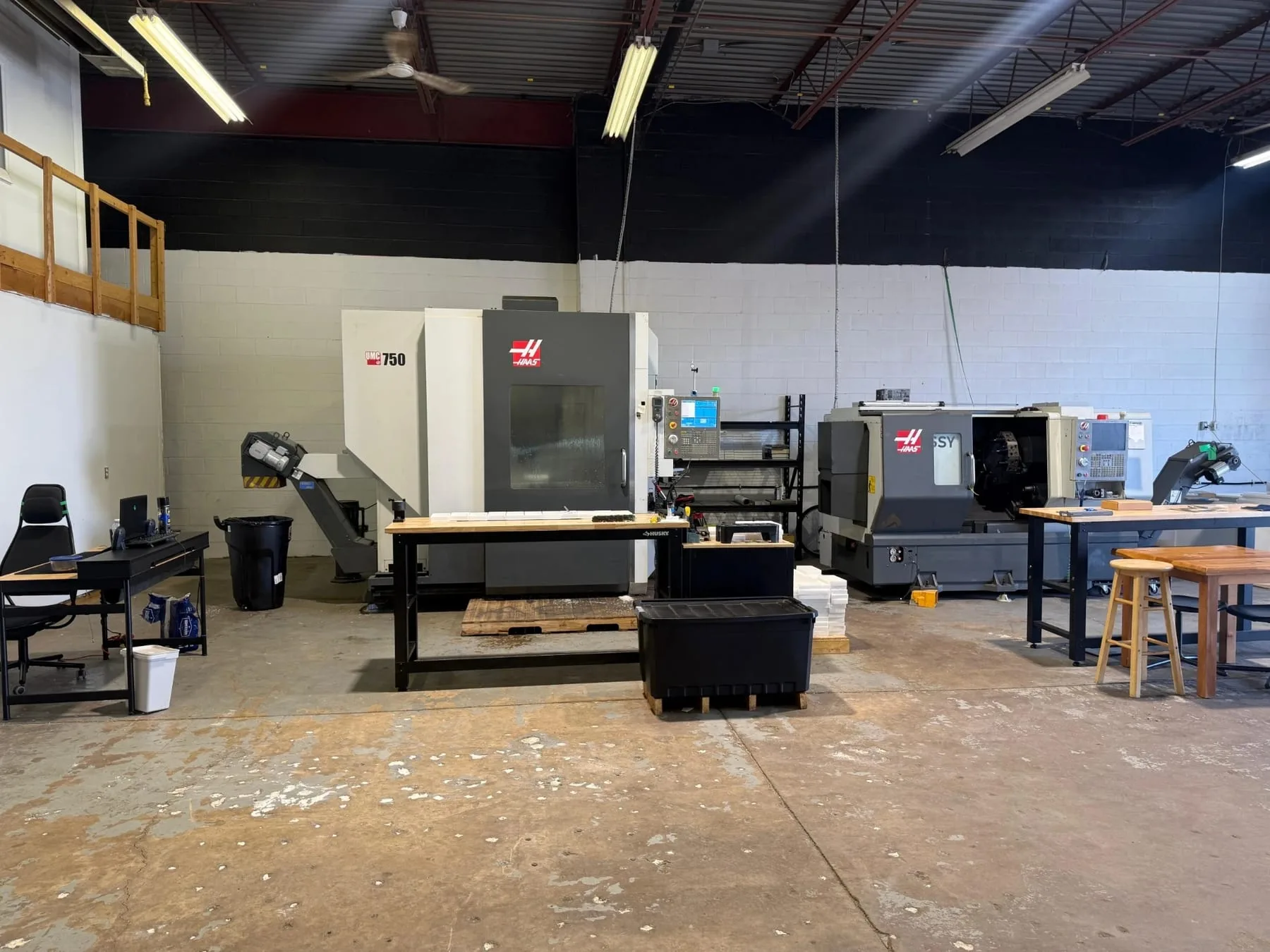
CNC milling removes material with a rotating cutter to create flat faces, pockets, slots, holes and 3D contours. On our 5-axis machining centers even everyday milled parts are cut in fewer setups — which keeps features accurate to each other and lead times short.
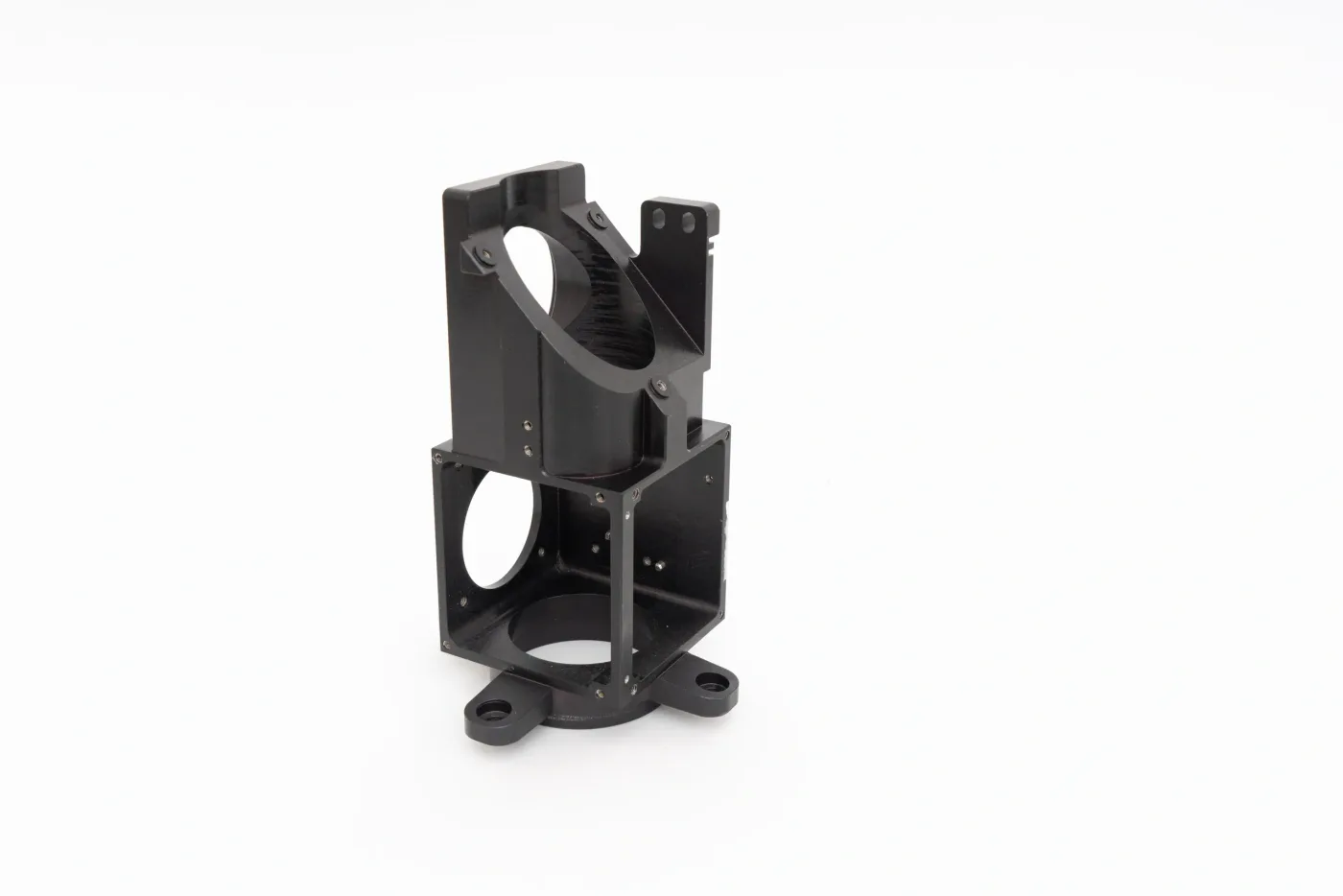
Brackets, plates and housings.
The everyday parts that hold machines together — machined flat, square and true, with clean edges and accurate hole patterns.
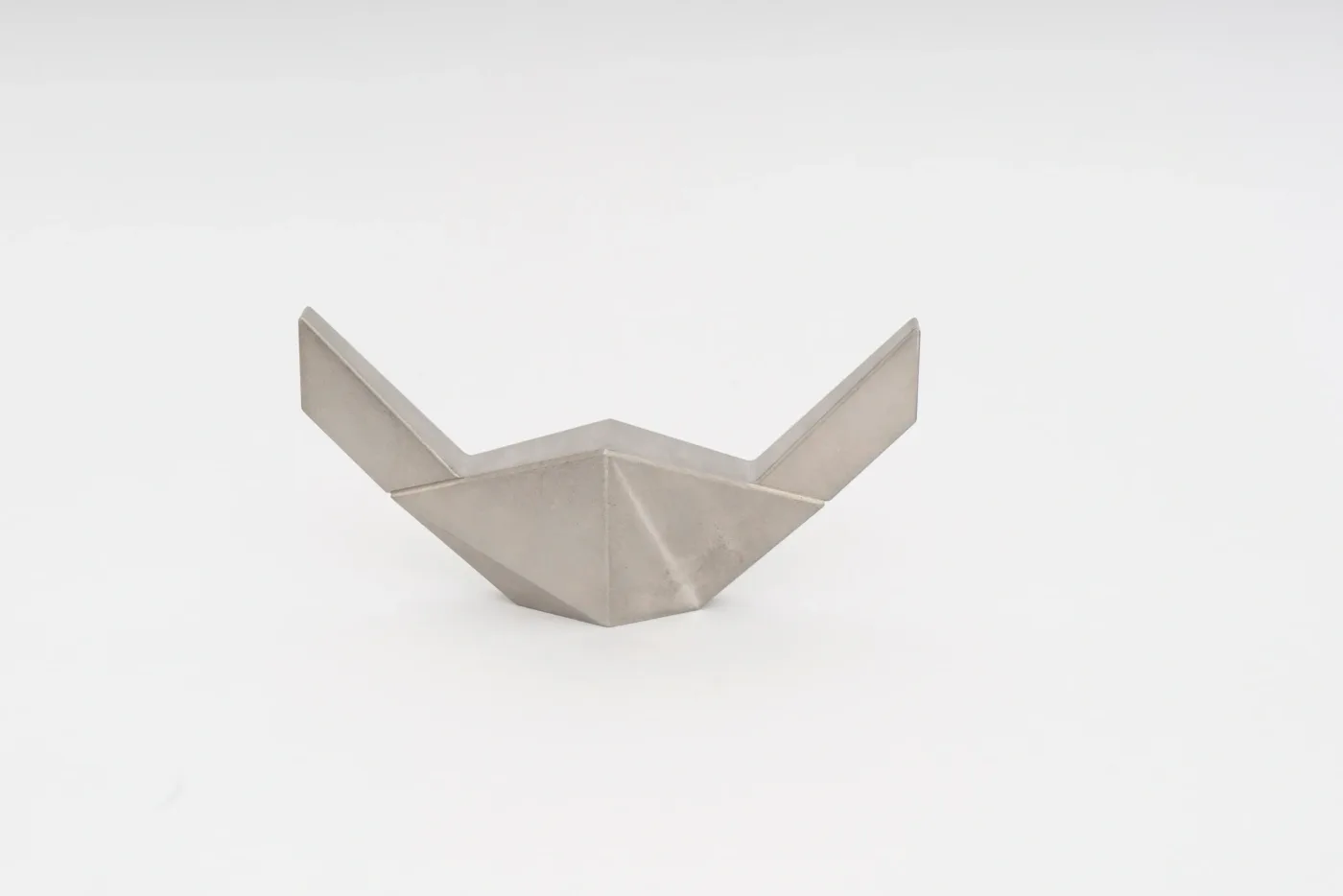
Fixtures and tooling.
Custom fixtures, jigs and nests for your own production line, built to locate your parts the same way every time.
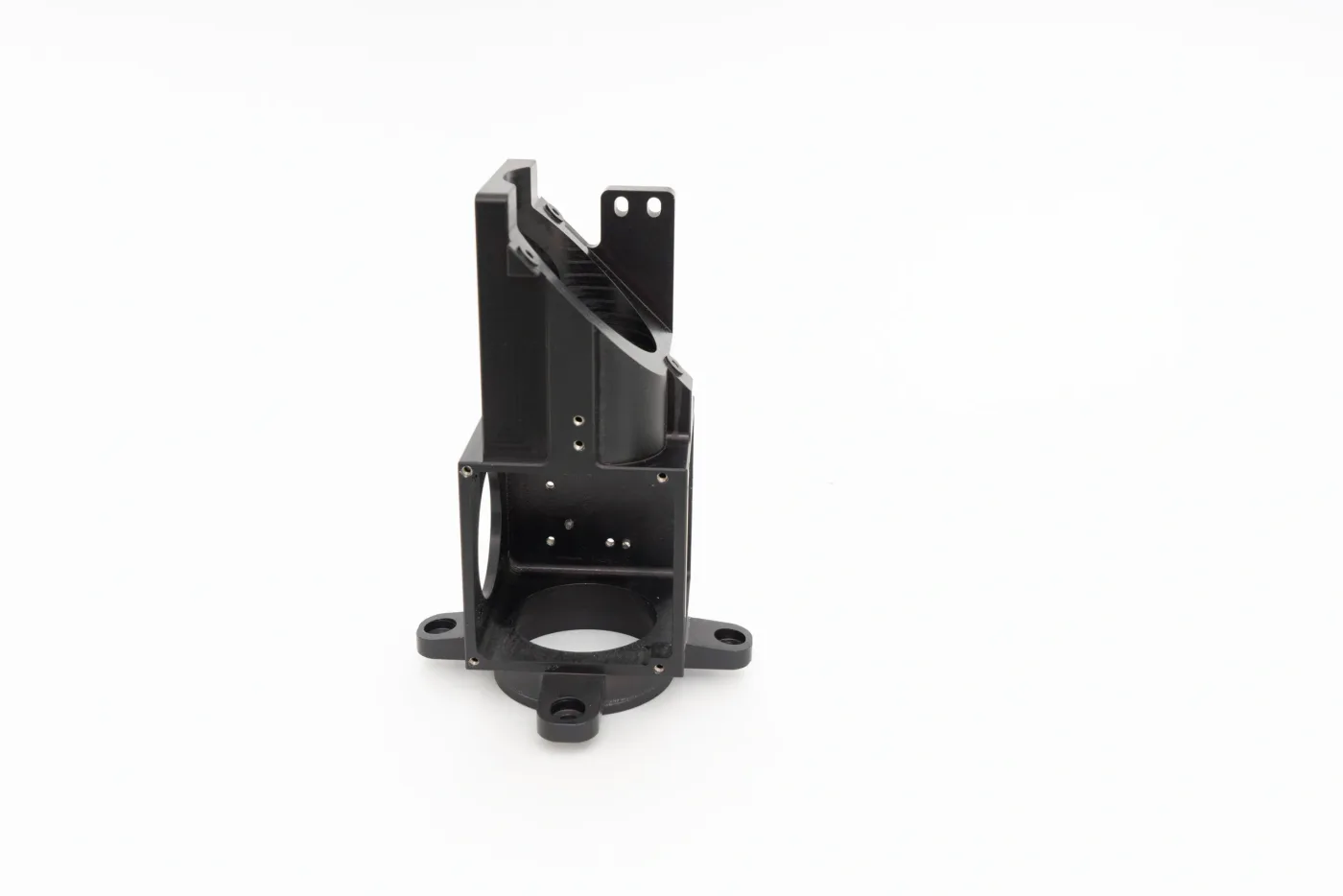
Fewer setups, fewer surprises.
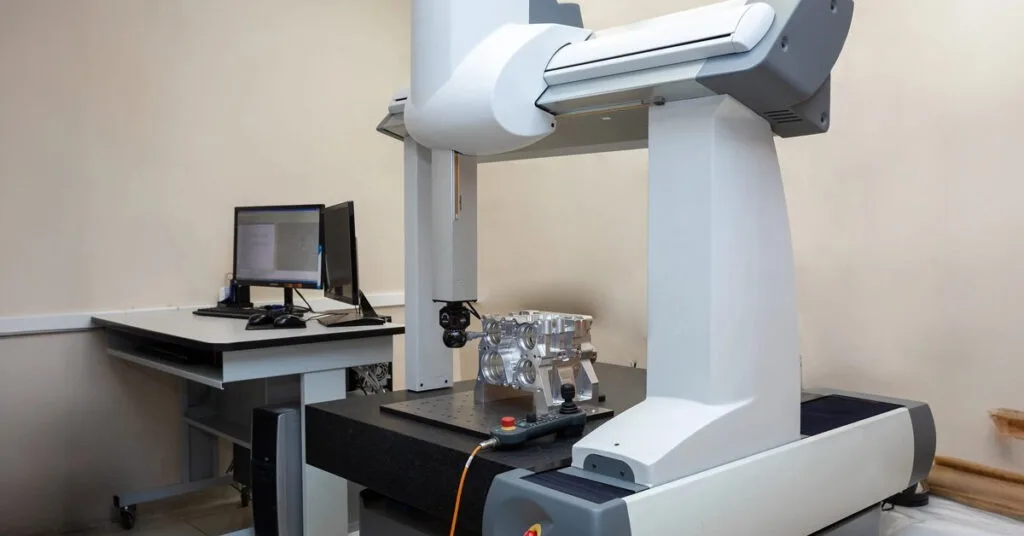
Pallet automation and multi-face machining mean less handling, less re-clamping and more consistent parts from batch to batch.
- Brackets & mounts
- Plates & base plates
- Housings & covers
- Fixtures & jigs
- Manifold blocks
- Enclosures
- Aluminum 6061 / 7075 / 5052
- Steel 1018 / 4140 / A36
- Stainless 303 / 304 / 316
- Titanium Grade 5
- Brass & copper
- Delrin, PTFE & PEEK
CNC milling questions.
What’s the difference between CNC milling and 5-axis machining?
Both use a rotating cutter. Standard milling reaches the part from above; 5-axis machining also tilts and rotates the part, so several faces and angled features can be cut in one setup.
Can you mill plastics?
Yes — Delrin, PTFE, PEEK and nylon are common for insulators, wear parts and lightweight prototypes.
Do you do finishing like anodizing?
Note the finish on your drawing and we’ll include it in the quote.
Have a drawing?
Send it over — we’ll reply with a price and lead time, usually within one business day.
Request a quote →